Proforma Invoice vs Commercial Invoice: What's the Difference?
Proforma invoices and commercial invoices look almost identical on paper, and they do completely different jobs. Mixing them up delays shipments, confuses customs, and makes your accounting a mess. Here is the difference, in plain terms, and when to use each one.
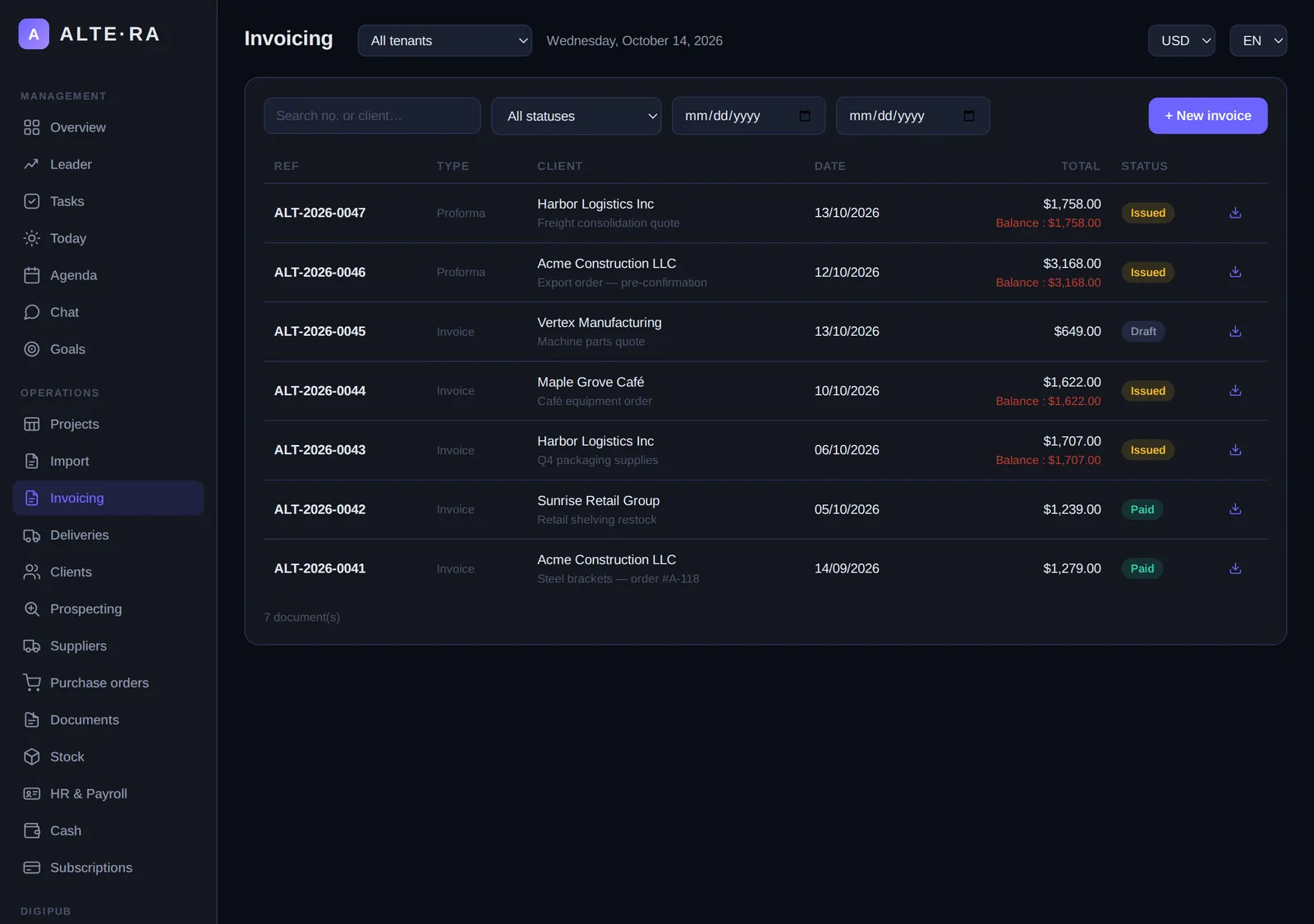
What Is a Proforma Invoice?
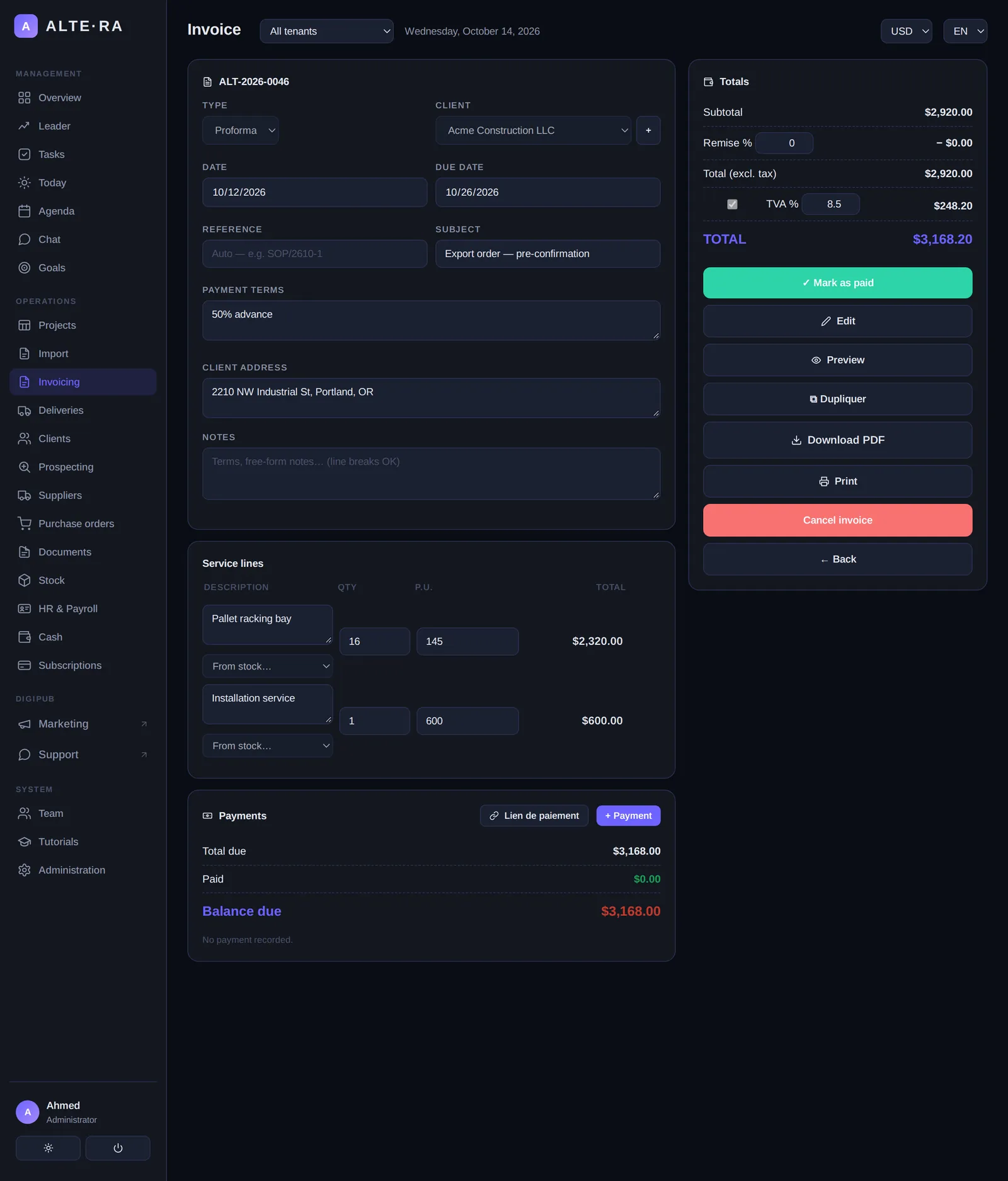
A proforma invoice is a preview of a sale. It looks like an invoice — products, quantities, prices, delivery terms — but it is sent before the sale is final. Think of it as a formal quote with the shape of an invoice. It answers one question: "If we go ahead, here is exactly what you will pay."
A proforma invoice is not a request for payment. You cannot cash it, the buyer does not record it as a payable, and you do not record it as revenue. Its main jobs:
- Let a buyer get internal approval or raise a purchase order before committing.
- Support international shipments: importers use it to arrange letters of credit, import licenses, and pre-clearance estimates.
- Lock in terms — price, quantities, delivery window — in writing before goods move.
What Is a Commercial Invoice?
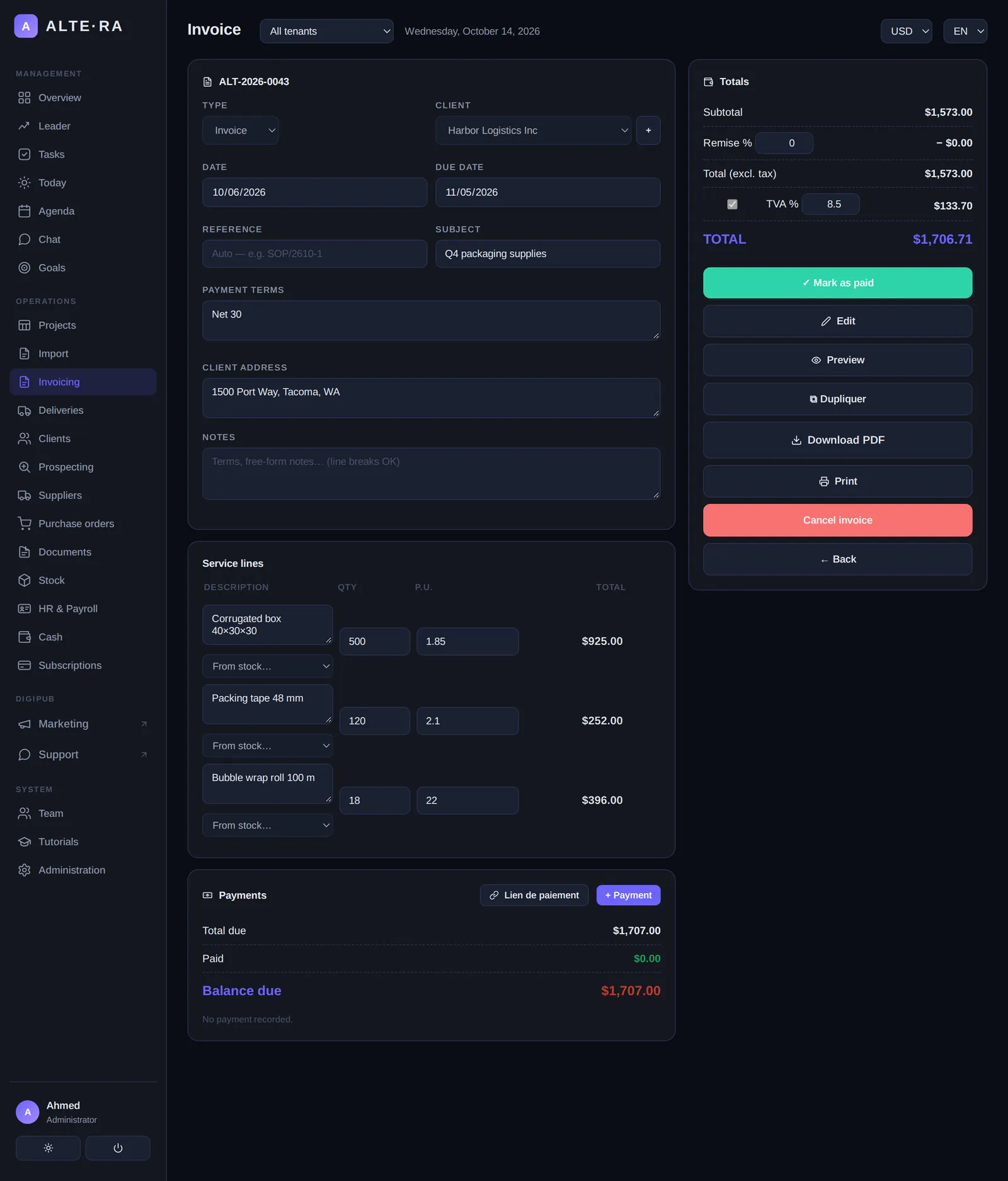
A commercial invoice is the real bill. It is issued when the sale happens — typically when goods ship or the service is delivered — and it is a legally meaningful document that:
- Demands payment under the agreed terms.
- Enters your accounting as revenue (and the buyer's as an expense).
- Serves as the customs document for international shipments: customs officers use it to assess duties and taxes, so the declared value must match what the buyer actually pays.
Key Differences at a Glance
| Proforma invoice | Commercial invoice | |
|---|---|---|
| When it is issued | Before the sale is confirmed | When goods ship or service is delivered |
| Purpose | Quote, approval, customs pre-check | Payment request and official sale record |
| Requests payment? | No | Yes |
| In your books? | No accounting entry | Recorded as revenue |
| Can it change? | Yes, until converted to a final invoice | No, only corrected or credited |
When to Use a Proforma Invoice
- Large B2B orders where the buyer needs approval or a purchase order before buying.
- International sales where the buyer needs the document for a letter of credit or import formalities.
- Custom or negotiated deals where you want the agreed price and terms confirmed in writing.
In each case, once the buyer confirms, you convert the proforma into a commercial invoice with the same numbers. That consistency matters — customs and accountants both compare them.
When to Issue a Commercial Invoice
Every time a real sale happens: goods shipped, services delivered, or a subscription billed. It should reference the buyer's PO number, match the proforma if one existed, and carry your sequential invoice number.
Common Mistakes to Avoid
- Asking for payment on a proforma. If money is due now, issue a commercial invoice or a deposit invoice.
- Different prices between the proforma and the commercial invoice. On international shipments this flags customs inspections and can void letters of credit.
- Missing customs details. International commercial invoices generally need the country of origin, HS codes for the goods, and the reason for export. A domestic-style invoice without them is a border delay waiting to happen.
- Skipping the proforma on big deals. Without it, procurement approval stalls and your delivery date slips with it.
- Using the same number series for both. Keep proformas on their own series (PF-2026-001) so your books stay clean.
FAQ
Is a proforma invoice legally binding?
Generally no — it is an offer or estimate, not a demand for payment. Binding terms usually come from your contract or the buyer's purchase order. That said, it is a professional commitment, so do not issue one casually.
Can I change a proforma invoice?
Yes, until it becomes a commercial invoice. Adjust quantities or prices, reissue with a new date, and make sure the final invoice matches the last proforma the buyer approved.
Does a proforma invoice have an invoice number?
Give it a document number, but on a separate series (PF- prefix is common). Your commercial invoices stay sequential and audit-ready.
What does a bank need a proforma invoice for?
Letters of credit and import financing: the bank lends against the promised shipment, so it needs the documented price and terms before goods move.
Many small business tools lump both documents under one "invoice" button, which is exactly how they get mixed up. Altera issues proformas and final invoices as separate documents with their own numbering, so your quotes, orders, and payments stay distinct.
Need clean proformas and invoices? Try Altera free for 30 days — no credit card required.