7 Ways to Improve Small Business Cash Flow
Plenty of small businesses are profitable on paper and still struggle to make payroll. The gap between those two realities is cash flow: the timing of money actually arriving and actually leaving. Improving it rarely takes dramatic moves. It takes a handful of habits, applied consistently. Here are seven that work.
1. Build a 13-Week Cash Forecast
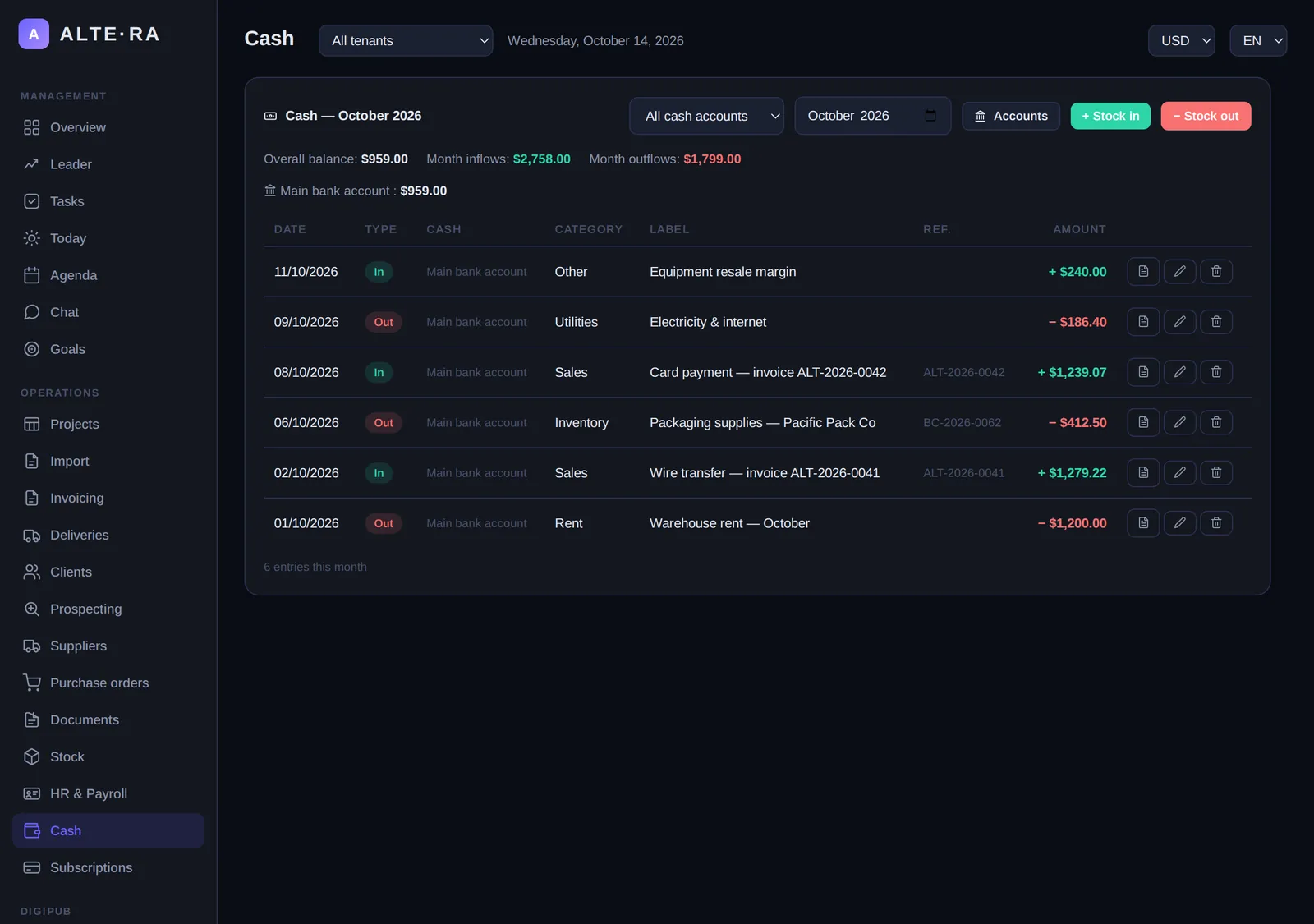
A 13-week forecast is a simple table: for each of the next 13 weeks, list the money you expect to receive and the money you expect to pay. Update it every week with what actually happened. In one afternoon of setup, you get the single most useful cash management tool there is.
Why 13 weeks? It is long enough to show a crunch two or three months out — the payroll week where two big client payments land after your supplier bills — but short enough that your estimates stay realistic. When you can see the shortfall in week 9 while you are in week 3, you have time to fix it. When you see it in week 9, you have a crisis.
2. Get Paid Faster
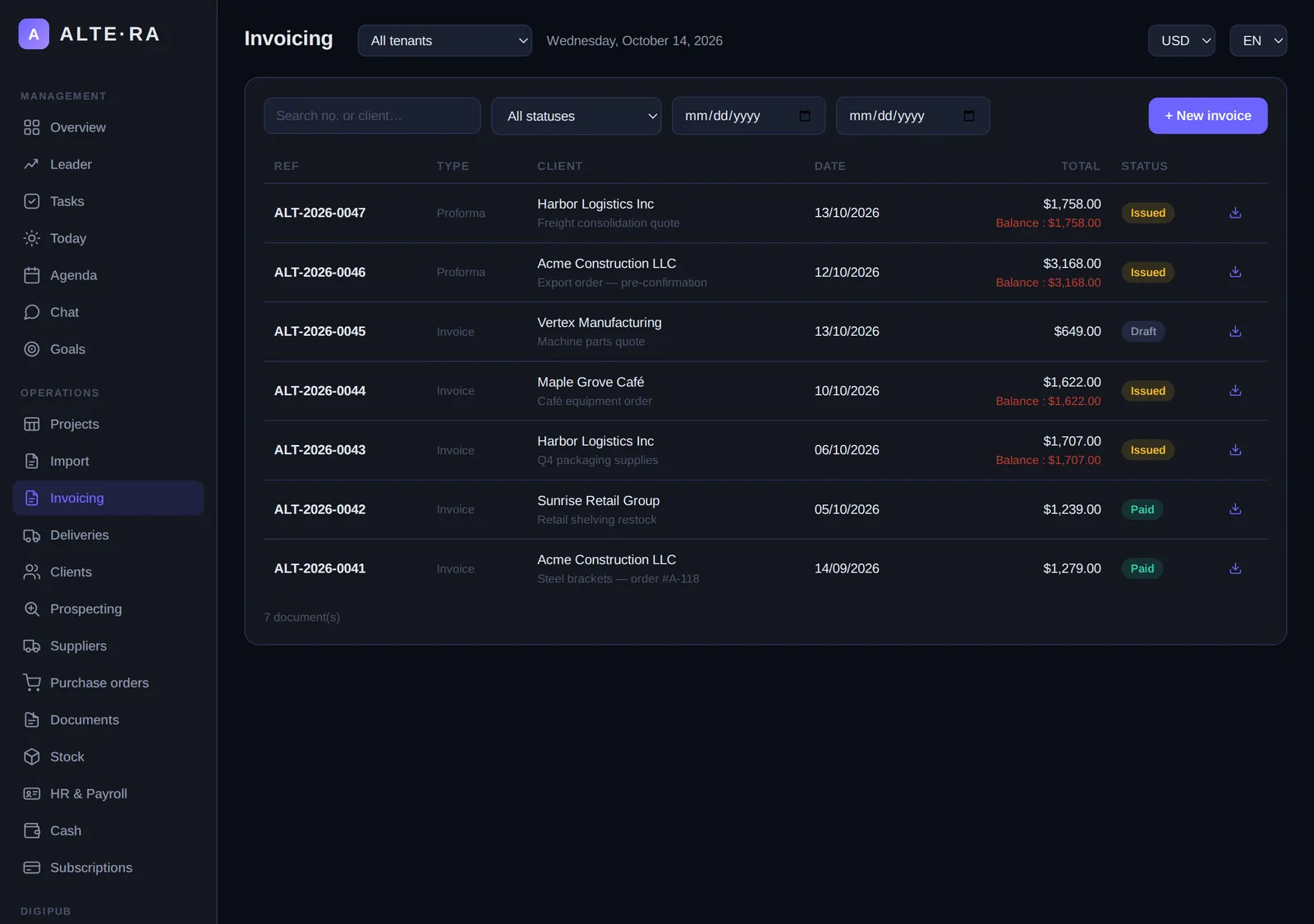
The fastest cash flow improvement is shortening the distance between doing the work and getting paid for it:
- Ask for a deposit. 30-50% upfront on projects and large orders is standard practice, not an insult.
- Invoice the day work is delivered. Every day you delay sending adds to the end of your payment clock.
- Use short terms. Net 15 instead of Net 30 for most clients. You will be surprised how many simply pay per the terms you set.
- Automate reminders. A polite reminder 7 days before the due date recovers most "forgotten" invoices.
- Offer an early payment discount. 2/10 Net 30 (2% off if paid within 10 days) costs less than it looks against a 45-day wait.
- Make paying easy. Accept bank transfer, cards, and mobile payment. Every extra payment method removes an excuse.
3. Slow Down the Money Going Out
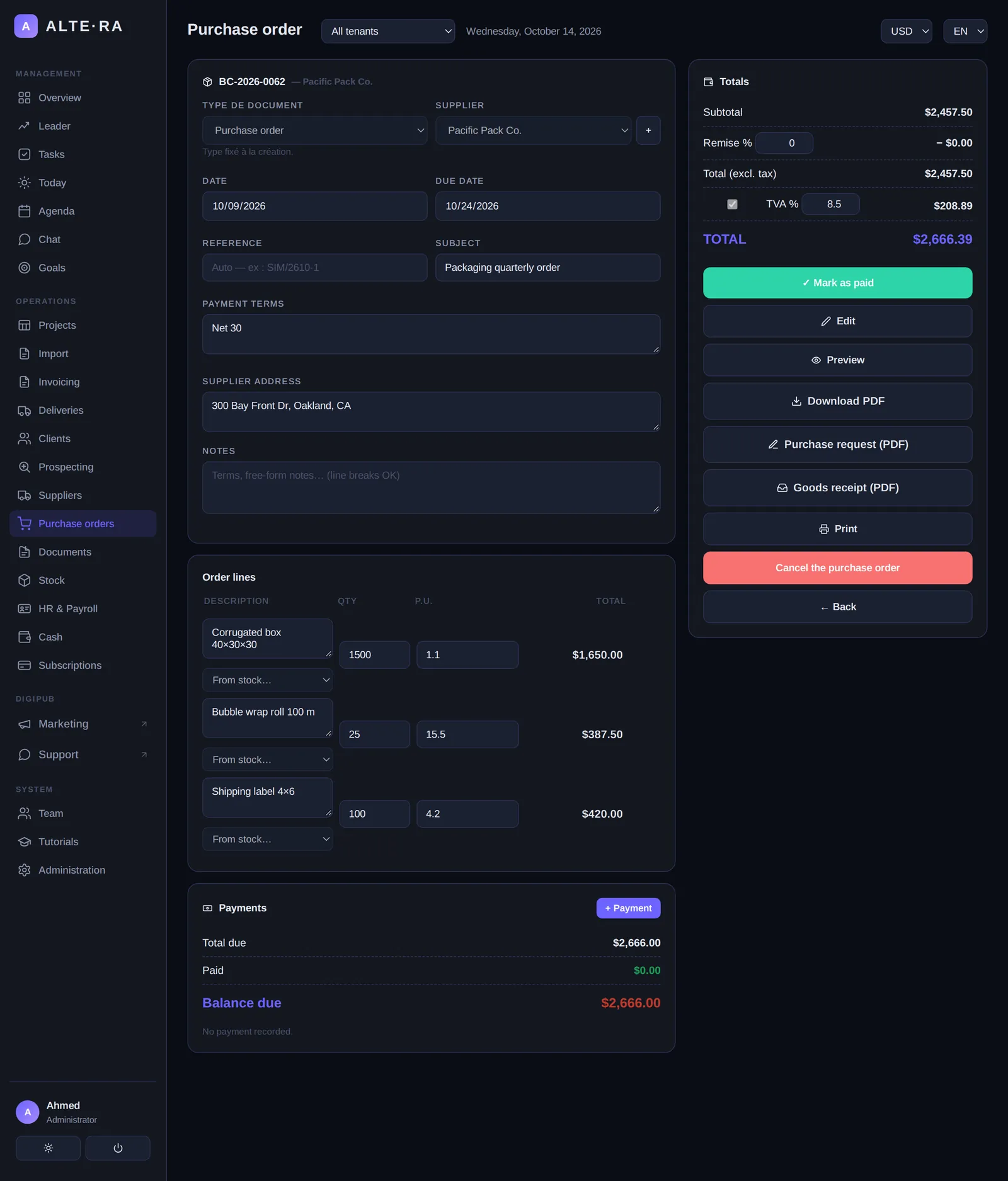
Cash flow is two-sided. While you shorten the time it takes money to arrive, stretch the time it takes to leave:
- Negotiate supplier terms. Moving a key supplier from 30 to 45 days gives your inventory a month to sell before you pay for it.
- Buy closer to demand. Inventory bought "just in case" is cash sitting on a shelf. Order smaller, more often.
- Cut the subscriptions you forgot. Audit recurring charges quarterly. A business easily carries $200-500 a month in tools nobody uses.
- Time large payments. Schedule big supplier payments and tax installments for your strong cash weeks, not the same week as payroll.
4. Keep a Cash Buffer
Aim to hold one to three months of operating expenses in reserve. That buffer is what turns a lost client from an emergency into an inconvenience. Two practical companions:
- A separate account for taxes. Money you never see is money you never spend. Move a percentage of revenue aside as it arrives.
- A line of credit arranged before you need it. Banks lend on strength, not on desperation. Set one up in a good month.
5. Track the Numbers That Predict Cash
Revenue is history; these are the predictors:
- Days Sales Outstanding (DSO): the average number of days it takes clients to pay. If your terms are Net 30 and your DSO is 47, your real payment terms are 47 days. Track it monthly and push it down.
- Cash runway: weeks of expenses your buffer covers if revenue stopped today.
- Margin by product or service: a product with 60% margin that sells slowly often beats one with 25% margin that moves fast — but only if you know the numbers.
6. Bill for Everything You Deliver
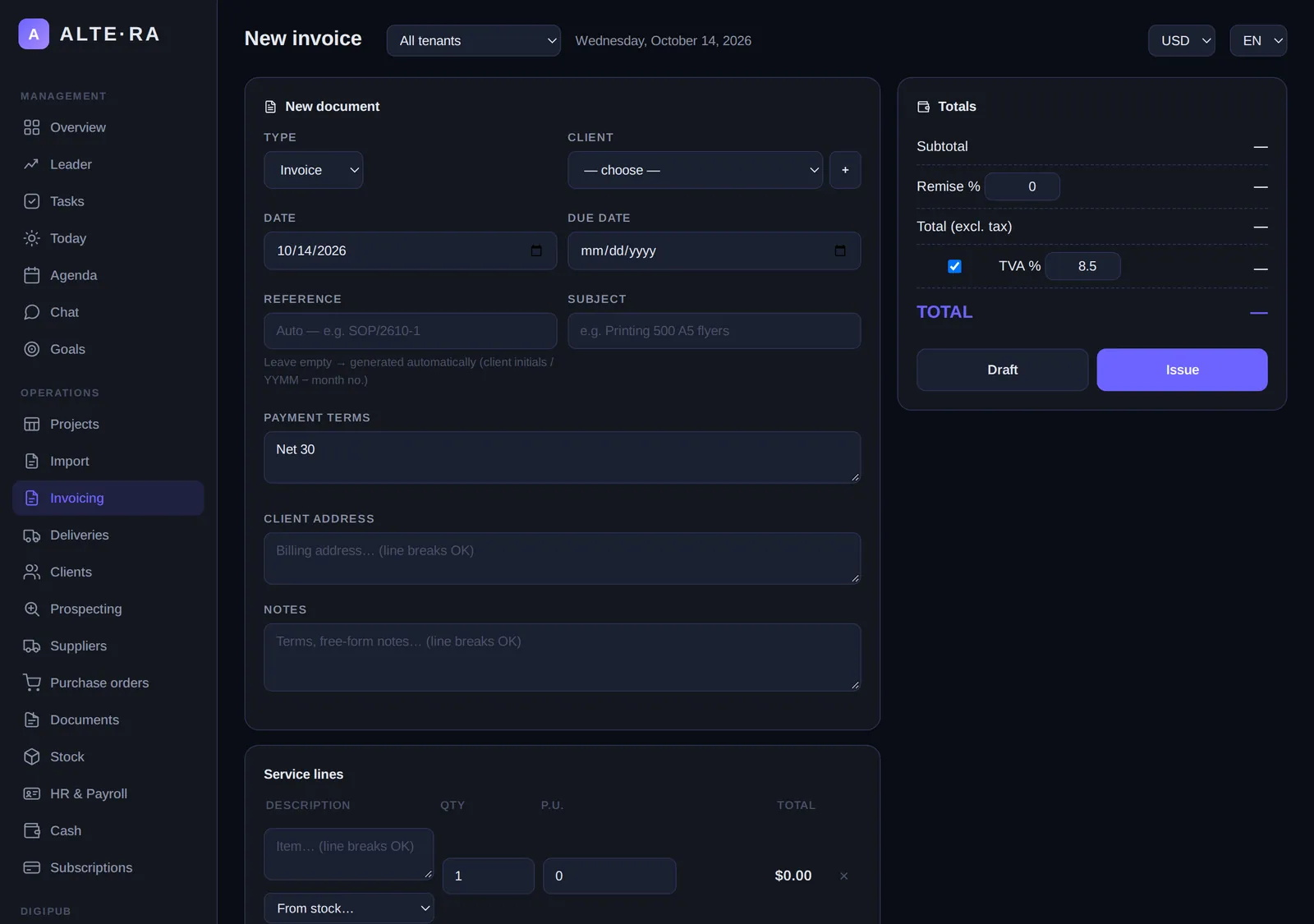
Scope creep is silent cash leakage. The extra hours, the small add-on, the rush delivery you "threw in" — across a year these add up to real money. Invoice what you deliver, and if you give a discount, show it as a line item so the client sees its value instead of forgetting it.
7. Separate Business and Personal Money
Mixed accounts make cash flow invisible. When the owner's groceries and the supplier's bill share an account, you cannot tell whether the business has a cash problem or the household does. Keep separate accounts, pay yourself a defined amount, and the picture clarifies immediately.
Common Mistakes to Avoid
- Spending on revenue that has not arrived. Booked deals are not bank deposits. Spend against the forecast, not the pipeline.
- Paying suppliers early while clients pay late. Generous habits in one direction and strict terms in the other is the classic small business squeeze.
- Confusing profit with cash. An invoice sent is revenue; an invoice paid is cash. You live on the second one.
- No forecast at all. Most cash crises were visible 6 weeks in advance. The forecast is what makes them visible.
FAQ
How do I calculate Days Sales Outstanding?
DSO = (accounts receivable ÷ total credit sales) × number of days. If you have $20,000 in receivables from $60,000 of sales over 90 days: (20,000 ÷ 60,000) × 90 = 30 days. Compare that to your stated terms to see how much slippage you tolerate.
Is invoice factoring worth it?
Factoring sells your unpaid invoices to a company for immediate cash, typically at a 1-5% discount. It can be a lifeline in a crunch, but as a habit it is expensive. Fix the causes — slow invoicing, loose terms, no reminders — before paying 3% to solve them.
What percentage of revenue should go to taxes?
It depends on your structure and country, but a common discipline is 15-30% set aside in a separate account as revenue arrives. Ask an accountant for the rate that fits your situation, then automate the transfer.
Should I use software for cash flow?
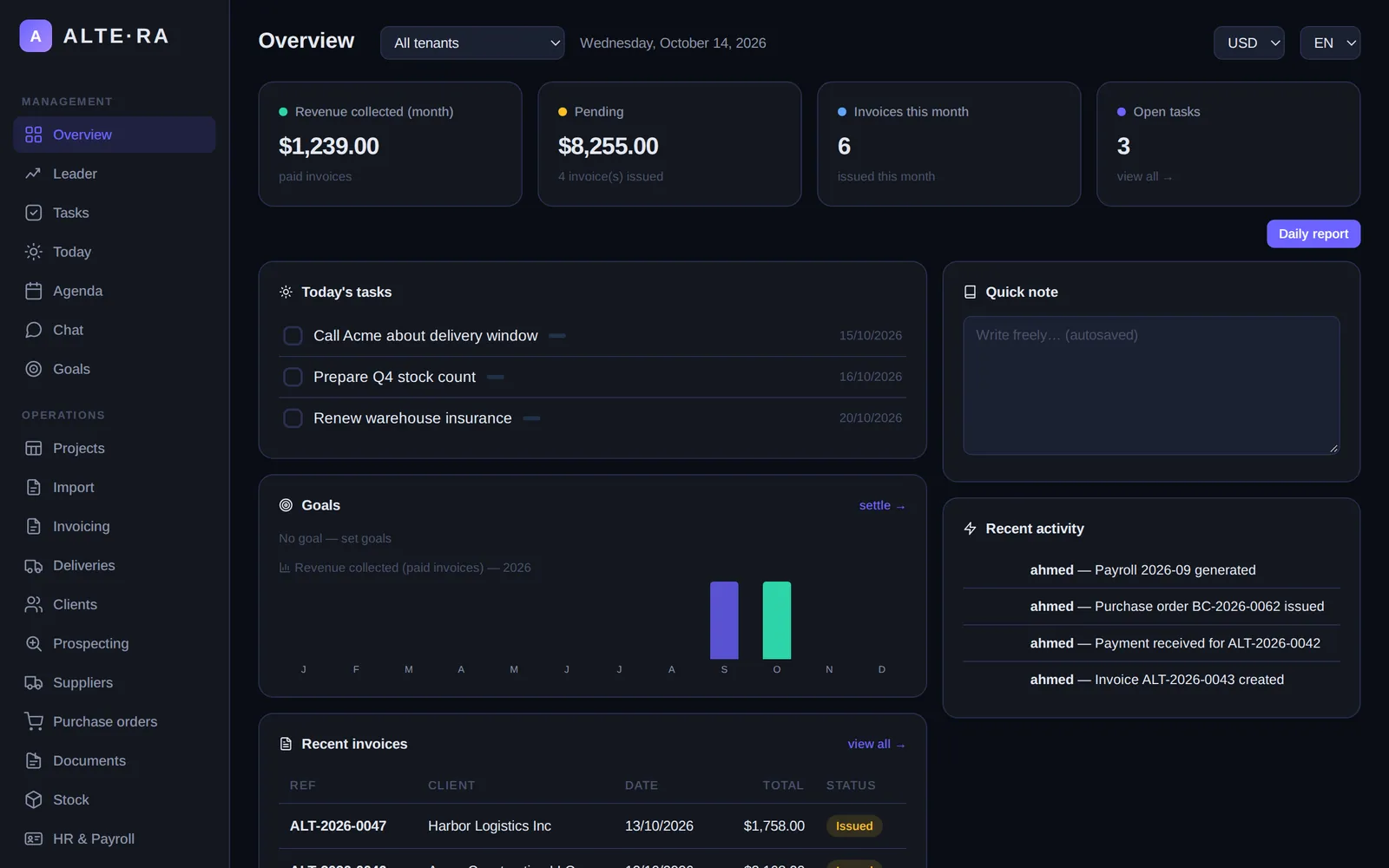
A spreadsheet is enough to start. But tools that connect invoicing, payments, and expenses save you from re-typing numbers, and that means your forecast actually gets updated. Altera, for example, keeps invoices, cash entries, and supplier bills in one place, so the numbers for your forecast are already current.
Want tighter control of your cash? Try Altera free for 30 days — invoicing, cash management, and supplier tracking in one tool. No credit card required.